

Quality assurance
Agricultural Export Quality Control: Sample to Shipment
Learn how importers control agricultural export quality through specifications, representative samples, testing, packing, traceability, and inspections.
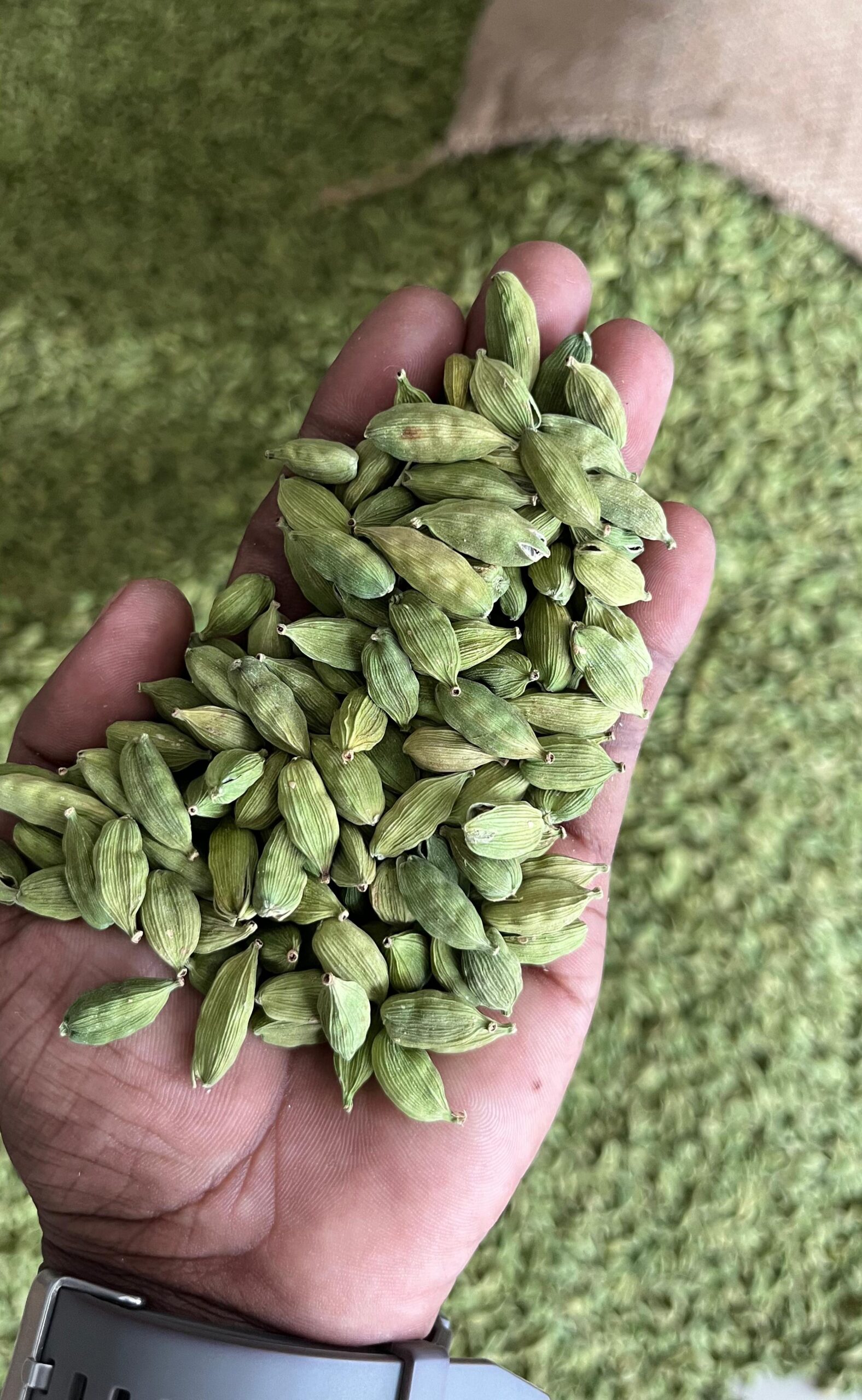
Quality control is not a final glance at loaded bags. It is a chain of decisions that begins with the purchase specification and continues through sourcing, lot formation, sampling, testing, packing, documentation, loading, transport, and arrival. A weak link anywhere in that chain can turn a good sample into a bad commercial result.
Key takeaways
- Write acceptance criteria before the supplier prepares the shipment.
- Make every sample traceable to a defined lot and sampling method.
- Test what the destination and end use require—not a random laboratory menu.
- Align product, package, document, and transport checks before release.
Quality starts with a measurable specification
“Export quality,” “premium,” and “best available” cannot settle a claim because they do not define acceptance. A useful specification records product identity, origin, variety, grade, crop or harvest, processing, physical limits, sensory expectations, required tests, packing, labelling, quantity tolerance, and the standard used to measure each item.
The specification should also distinguish critical failures from minor tolerances. A prohibited contaminant, live infestation, or wrong product identity is not equivalent to a small cosmetic variation.
Define the lot before taking the sample
A sample is meaningful only when it represents a known lot. Record supplier, product, crop, warehouse, lot code, preparation date, approximate lot size, package range, sampling date, sampler, seal number, and storage condition.
A beautiful sample taken from one favourable bag says little about a container assembled from hundreds of bags. Sampling should cover enough positions to represent the lot, and any composite sample should be mixed, divided, sealed, and labelled through an agreed method.
Use offer, pre-shipment, and retention samples correctly
- Offer sample: helps determine whether the product is worth pursuing.
- Pre-shipment sample: represents the prepared commercial lot and supports approval.
- Retention sample: remains sealed for comparison if a claim or investigation occurs.
For some programs, an independent surveyor or accredited laboratory should draw or witness the sample. The level of control should reflect cargo value, safety risk, product variability, supplier history, and destination requirements.
Build the test plan from risk and regulation
Physical checks may cover size, defects, foreign matter, moisture, colour, density, damage, or other commodity-specific attributes. Sensory checks may examine aroma, taste, taint, freshness, or roast and cup performance. Laboratory checks may involve microbiology, residues, mycotoxins, heavy metals, authenticity, composition, or treatment indicators where relevant.
The correct scope varies by commodity and market. The Spices Board publishes spice specification resources, while APEDA highlights sanitary and phytosanitary compliance as a central export challenge. Use the current destination rule and purchase contract to decide what passes.
Inspect packing as a quality-control system
Packaging protects against moisture, oxygen, light, odour, insects, physical damage, contamination, and handling loss. Check that food-contact materials are appropriate, liners are properly closed, packages are clean and sound, marks are readable, and net weights follow the agreement.
The transport unit also matters. Inspect the container or vehicle for cleanliness, dryness, odour, holes, residue, infestation, and structural condition. Record loading with photographs and package or seal information where appropriate.
Keep product identity connected to records
Lot codes should connect the received goods to supplier, preparation, sampling, test result, package range, and shipment. If different lots are blended, reworked, treated, or repacked, record the change. Traceability that stops at “India origin” is too broad to investigate a real problem.
Document control is part of traceability. The invoice, packing list, analysis, inspection report, certificates, and transport document must describe the same commercial shipment.
Use a release checklist before dispatch
- Written specification approved
- Commercial lot identified
- Representative sample accepted
- Required tests complete and within limits
- Packaging and markings verified
- Package count and weights reconciled
- Container or vehicle inspected
- Required documents reviewed
- Loading and seal recorded
- Retention sample stored
A release decision should name the person or party authorized to approve shipment. Silence, an unread email, or “it should be fine” is not approval.
Prepare for claims before they happen
Agree on notification time, evidence, inspection rights, sample handling, damage mitigation, and commercial remedies. On arrival, photograph the seal, container condition, packages, labels, and any visible damage before unloading destroys the evidence.
Compare findings against the contract, approved sample, test records, and transport condition. A disciplined investigation separates pre-shipment quality failure from transit damage, storage problems, sampling error, or an expectation that was never written down.
How BPA structures buyer requirements
BPA WORLDWIDE LLP keeps sourcing discussions anchored to the product, grade, condition, packing, documentation, destination, and shipment expectations provided by the buyer. That information makes supplier coordination and quality review more practical.
See our quality-control page, continue with the India import checklist, or start a trade inquiry.
Buyer note
This article provides general commercial information, not legal, customs, food-safety, or regulatory advice. Requirements vary by product, destination, use, and shipment date. Confirm current rules with the competent authorities and qualified trade professionals before contracting or shipping.
Frequently asked questions
Questions buyers ask
What is the difference between quality assurance and quality control?
Quality assurance designs the process intended to prevent failures. Quality control checks the actual product and records against agreed requirements. A reliable export program needs both.
Who should take the pre-shipment sample?
That depends on risk and contract. It may be the supplier under an agreed method, the buyer’s representative, an independent surveyor, or a laboratory sampler.
Does a certificate of analysis guarantee the whole shipment?
Only if the sample is representative, traceable to the shipped lot, tested by an appropriate method, and protected from substitution or lot changes.
Why keep retention samples?
They provide a sealed reference for comparison if the buyer reports a quality difference or a laboratory result must be investigated.
Send BPA a trade-ready inquiry.
Share the product, grade, volume, packing, destination, required documentation, shipment window, and preferred Incoterm® rule.