

International trade guide
Importing Agricultural Products from India: Buyer Checklist
A practical B2B checklist for importing coffee, spices, nuts, fruits, vegetables, and other agricultural products from India.
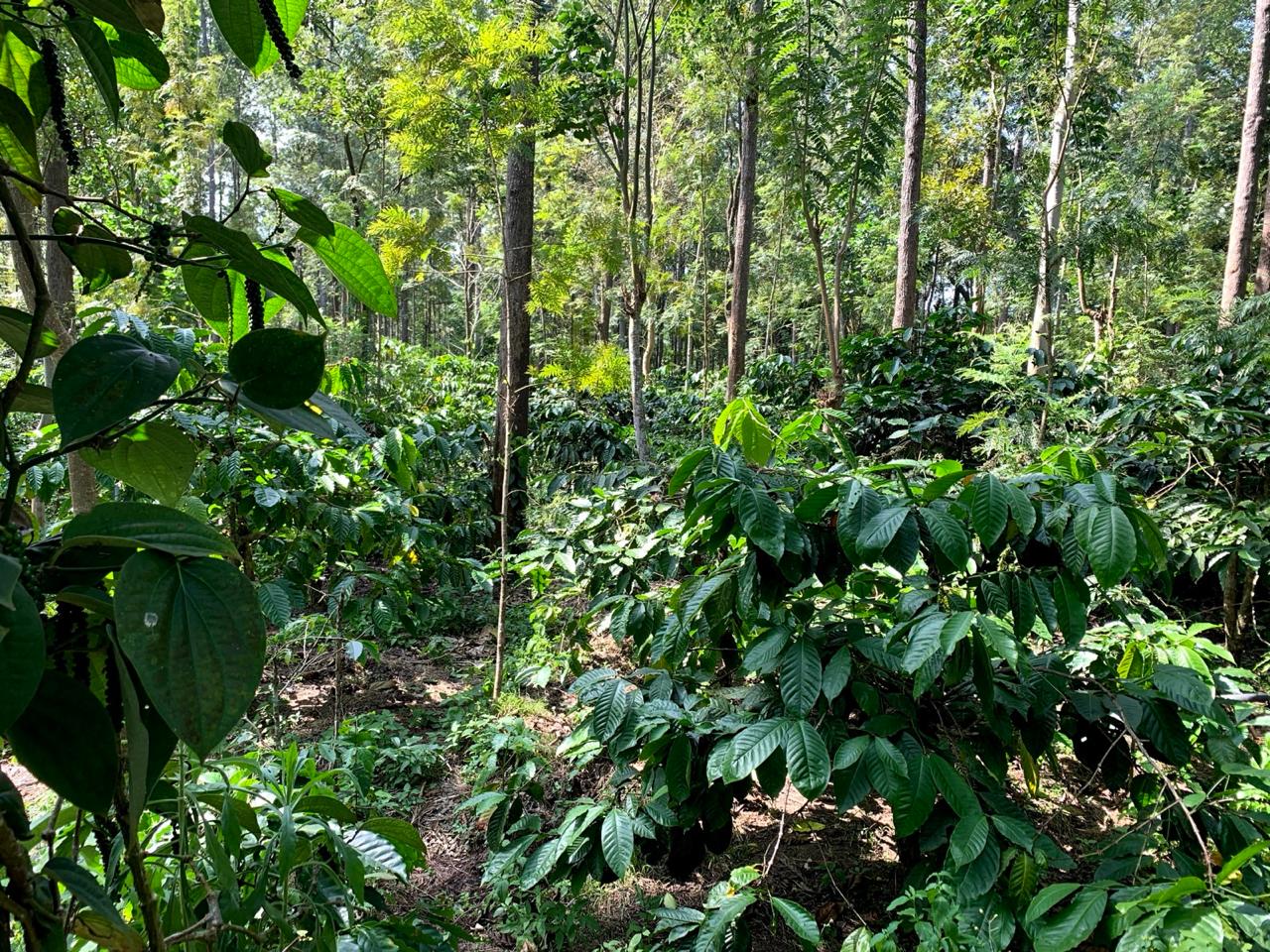
Import problems usually begin before the cargo moves: an unclear product description, an unchecked import rule, a vague Incoterm®, mismatched documents, or packaging that was never specified. The fix is not more frantic email at the port. It is a disciplined pre-contract checklist shared by buyer, seller, freight partners, customs representatives, and any inspection or testing provider.
Key takeaways
- Verify destination-country admissibility before confirming the order.
- Use one written specification across the contract, sample, testing, packing, and documents.
- Name the exact Incoterm® rule and place—not only three letters.
- Run a document-alignment check before cargo is dispatched.
1. Define the product and intended use
Record the scientific or common product identity where needed, origin, variety, grade, crop or harvest, processing, condition, quantity, end use, and whether the cargo is for food manufacturing, roasting, retail packing, seed, or another regulated use.
For coffee, specify species and processing. For spices, define grade and physical limits. For fresh produce, variety, maturity, size, treatment, temperature, packaging, and shelf-life expectations become central. A customs description and a quality specification serve different purposes, but they must not contradict each other.
2. Confirm import admissibility in the destination country
The importer should verify whether the product needs an import permit, approved origin, registered establishment, phytosanitary certificate, health certificate, fumigation or treatment, residue testing, labelling, organic recognition, prior notice, or inspection at entry.
Requirements change by product and destination. APEDA’s Agri Exchange import-regulation resources can support research, but the buyer should confirm the current rule with the destination authority and customs professional. Blog articles are not customs clearance instructions.
3. Verify the supplier and export route
Confirm the contracting party, bank details, business registration, export capability, product source, and who will appear as exporter of record. Product-specific registrations may apply. For example, the Coffee Board of India describes registration, export permits, and origin documentation for coffee exporters.
Ask who controls each hand-off: procurement, preparation, testing, packing, inland haulage, customs clearance, freight booking, document dispatch, and post-shipment communication.
4. Put commercial details into the contract
The purchase contract or accepted proforma should identify the goods, specification, quantity tolerance, unit price, currency, total value, payment method, delivery window, inspection or sample-approval method, packing, marks, destination, claims process, and governing commercial terms.
Use the selected Incoterms® 2020 rule with a named port, terminal, warehouse, or place. ICC explains that the rules allocate costs, risks, and obligations; they do not replace a complete sale contract.
5. Build a shipment-specific document matrix
| Document | Purpose | Control question |
|---|---|---|
| Commercial invoice | Value, seller, buyer, goods, currency and transaction details | Does it match the contract and customs description? |
| Packing list | Packages, weights, dimensions and marks | Does it match the physical cargo? |
| Bill of lading or airway bill | Transport receipt and carriage details | Are names, ports, packages and weights aligned? |
| Certificate of origin | Origin evidence where required | Is the correct form and issuing route used? |
| Phytosanitary or health certificate | Product health or plant-quarantine compliance where applicable | Are required declarations included? |
| Certificate of analysis / inspection | Evidence against agreed quality or safety criteria | Does the tested lot match the shipped lot? |
| Insurance certificate | Cargo cover where contractually arranged | Are value, risks, voyage and beneficiary correct? |
India’s DGFT identifies the bill of lading or airway bill, commercial invoice cum packing list, and shipping bill or bill of export among core export documents, while noting that other certificates may be required by the case. See the official DGFT How to Export guide.
6. Lock the packing and marking plan
Define net and gross weight, number of packages, packaging materials, food-contact layer, liner, ventilation, palletization, treatment, lot code, labels, country of origin, handling marks, and container conditions. Fresh products may require temperature and airflow plans; dry commodities require moisture, odour, infestation, and contamination controls.
Do not assume the supplier’s “standard export packing” matches your warehouse, retailer, production line, or local law.
7. Agree on inspection, samples, and release
State who draws the sample, when it is drawn, what lot it represents, which laboratory or inspector is used, what tests apply, who pays, and what happens if a result fails. Decide whether shipment release depends on buyer approval, inspection, certificate issuance, or another milestone.
For fresh produce, the inspection timing must respect shelf life. For coffee and spices, retention samples and sealed lot references are valuable claim controls.
8. Run a pre-dispatch alignment check
- Product and lot match the approved specification.
- Package count and weights match the packing list.
- Names and addresses are consistent across documents.
- HS code has been reviewed by qualified customs parties.
- Required certificates are issued or on track.
- Container, booking, cut-off, and route are confirmed.
- Payment and document-release conditions are satisfied.
- Buyer and destination broker have received draft documents for review.
BPA WORLDWIDE LLP coordinates product requirements and export communication for international buyers. Read the BPA export process or send your product, quantity, destination, and preferred trade terms.
Buyer note
This article provides general commercial information, not legal, customs, food-safety, or regulatory advice. Requirements vary by product, destination, use, and shipment date. Confirm current rules with the competent authorities and qualified trade professionals before contracting or shipping.
Frequently asked questions
Questions buyers ask
Which documents are always required for agricultural imports from India?
There is no universal package for every product and destination. Commercial invoice, packing details, and transport documents are common, while origin, phytosanitary, health, fumigation, analysis, inspection, or organic documents depend on the case.
Who is responsible for checking destination-country import rules?
The importer should confirm admissibility and current local requirements with the competent authority and customs professional, while the exporter supplies agreed origin-side documents.
Is CIF always the easiest option?
No. CIF allocates specific carriage and insurance obligations for sea or inland-waterway transport, but it may not match every container route or buyer-control preference. Select the rule based on the actual transaction.
When should draft documents be reviewed?
Before final issuance and dispatch whenever possible. Early review reduces name, address, quantity, port, declaration, and certificate mismatches.
Send BPA a trade-ready inquiry.
Share the product, grade, volume, packing, destination, required documentation, shipment window, and preferred Incoterm® rule.