

Indian spice sourcing
Buying Indian Black Pepper and Cardamom in Bulk
A buyer-focused guide to sourcing Indian black pepper and green cardamom in bulk, covering grades, quality risks, samples, packing, testing, and quotations.
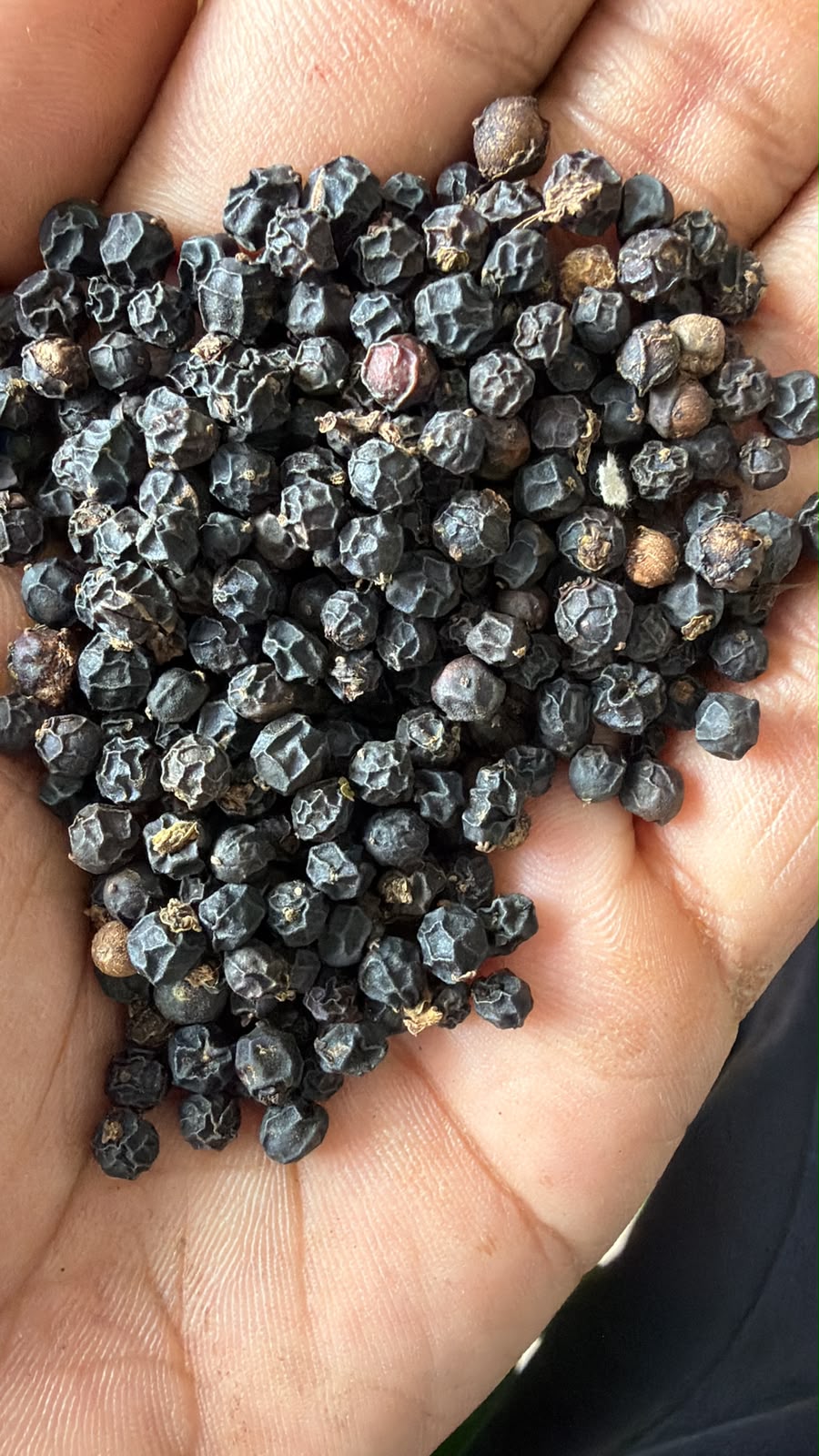
“Premium pepper” and “export cardamom” are sales phrases, not complete specifications. Wholesale buyers need measurable requirements covering origin, crop, grade, size, moisture, cleanliness, sensory condition, packing, testing, and destination compliance. This guide shows how to make Indian black pepper and green cardamom inquiries commercially useful.
Key takeaways
- Define measurable grade and quality limits instead of relying on adjectives.
- Inspect aroma, colour, physical condition, contamination risk, and lot consistency.
- Match packaging to journey length, climate, warehouse conditions, and buyer use.
- Confirm destination limits and testing before the shipment is packed.
Build a spice specification buyers and suppliers can test
| Specification area | Black pepper | Green cardamom |
|---|---|---|
| Product identity | Whole black pepper; origin and crop | Whole small cardamom; origin and crop |
| Physical grade | Density or grade, size distribution, light berries, pinheads | Pod size, colour category, splits, empties, immature or damaged pods |
| Condition | Moisture, mould, insects, foreign matter | Moisture, mould, insects, foreign matter |
| Sensory | Clean pungent aroma; no mustiness or foreign odour | Characteristic fresh aroma; no smoke, mustiness, or foreign odour |
| Testing | Destination-specific microbiological, chemical, residue, contaminant, and authenticity requirements as applicable | |
| Packing | Net weight, food-contact material, liner, outer bag/carton, markings, palletization, and container plan | |
The Spices Board of India publishes chemical and physical specification resources. Use official standards and destination rules as a baseline, then add the limits your business genuinely needs.
Black pepper: density is useful, but not the whole story
Commercial pepper discussions often focus on density or a named grade. That is important, but a buyer should also evaluate size distribution, light berries, pinheads, broken berries, foreign matter, moisture, aroma, mould, infestation, and visual uniformity.
Ask whether the sample represents a single prepared lot or a general season sample. If the order will be cleaned, steam treated, ground, or packed at destination, state that intended use because it can change the appropriate testing and acceptance plan.
Green cardamom: colour and size need context
Large, bright green pods can command attention, but visual appearance alone does not prove aroma, fill, moisture control, or storage condition. Cardamom buyers should assess pod size distribution, colour category, splits, empty capsules, immature pods, insect damage, aroma, and the condition of seeds inside the capsule.
Colour expectations should be written carefully. Buyers should not reward appearance created through an unacceptable treatment. Require compliance with destination-market rules and disclose any processing or treatment relevant to the transaction.
Control the risks that create claims
- Moisture migration: may lead to caking, mould, loss of colour, or quality deterioration.
- Insects and infestation: require prevention, inspection, and appropriate treatment documentation.
- Microbiological risk: must be managed according to product, processing, buyer use, and destination rules.
- Residues and contaminants: limits differ by market and should be confirmed before testing.
- Odour transfer: spices can absorb unwanted warehouse or container smells.
- Lot mixing: can destroy the consistency established by an approved sample.
The Spices Board’s work includes post-harvest improvement and evaluation of export consignments against applicable quality and safety standards. Its quality-improvement guidance provides useful context.
Specify packing as part of the product
State the inner food-contact layer, liner closure, outer material, net weight, carton or bag dimensions, lot code, country-of-origin marking, production or packing date, and pallet requirements. Packaging must protect the spice without introducing odour, moisture, or contamination.
For cardamom, light and temperature exposure can also affect visual and sensory quality. For pepper, robust handling and moisture protection are central. In both cases, container cleanliness and loading conditions deserve an explicit check.
Approve representative samples and the testing plan
Agree on how samples are drawn, sealed, and identified. Define whether testing occurs before packing, after packing, or through an independent inspection arrangement. The laboratory scope should match the destination and end use; ordering a random “full test” is expensive and can still miss the requirement that matters.
Keep a sealed retention sample from the approved shipment lot. If a claim occurs, both parties need a traceable reference—not screenshots of a sample sent three months earlier.
Send a complete bulk spice inquiry
Include product, origin preference, crop, grade or size, quantity, tolerances, required analysis, packaging, private-label requirements, destination, Incoterm® rule, and shipment window. Also say whether you want a single product or a mixed-container discussion.
Explore BPA’s agricultural export portfolio, read our quality-control guide, or request a spice quotation.
Buyer note
This article provides general commercial information, not legal, customs, food-safety, or regulatory advice. Requirements vary by product, destination, use, and shipment date. Confirm current rules with the competent authorities and qualified trade professionals before contracting or shipping.
Frequently asked questions
Questions buyers ask
What details are required for a black pepper quotation?
State the required origin, crop, density or grade, size and defect tolerances, moisture, tests, volume, packing, destination, shipment window, and Incoterm® rule.
Is greener cardamom always better?
No. Colour is one commercial factor. Aroma, seed fill, size distribution, splits, moisture, treatment history, cleanliness, and storage condition also matter.
Can pepper and cardamom use the same test specification?
Not automatically. Product risks, buyer use, processing, and destination regulations determine the correct laboratory scope and acceptance limits.
Should I request a retention sample?
Yes for meaningful commercial shipments. A sealed, traceable retention sample helps compare the approved lot with arrival condition if a dispute occurs.
Send BPA a trade-ready inquiry.
Share the product, grade, volume, packing, destination, required documentation, shipment window, and preferred Incoterm® rule.