

Coffee comparison
Indian Arabica vs Robusta: A Green Coffee Buyer’s Comparison
Compare Indian Arabica and Robusta green coffee for flavour, body, processing, applications, specifications, samples, and bulk purchasing decisions.
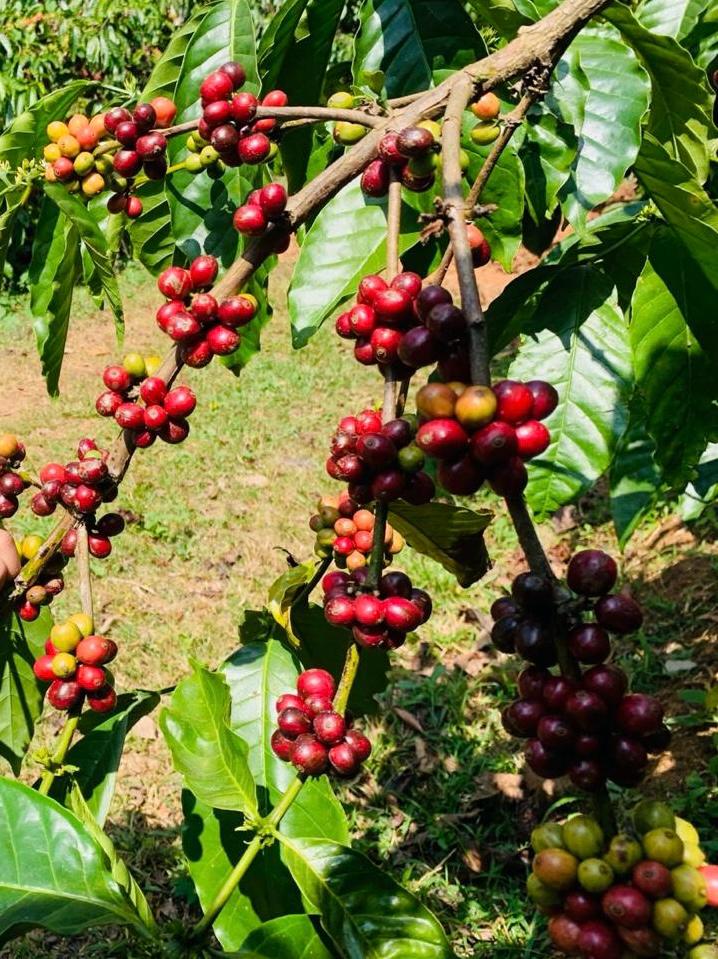
Arabica and Robusta are not rival football teams. One does not win every match. Each can be the correct commercial choice depending on the roast, blend, cup target, extraction method, and price architecture. Buyers get better results when they translate those needs into a lot specification instead of shopping by species name alone.
Key takeaways
- Arabica usually supports aromatic, acidity-led, and specialty-oriented profiles.
- Robusta often contributes body, intensity, crema, and commercial efficiency.
- Processing method and lot quality can matter as much as species.
- Approve the exact offered lot—not a generic sample from the same origin.
Arabica and Robusta at a glance
| Buying factor | Indian Arabica | Indian Robusta |
|---|---|---|
| Typical role | Aromatic single origins, premium blends, filter and espresso components | Body, crema, intensity, soluble coffee, espresso and commercial blends |
| Cup direction | Often more acidity and aromatic complexity | Often heavier body and lower perceived acidity |
| Commercial position | Usually higher-value programs, depending on grade and lot | Often efficient for scale, but fine Robusta should not be treated as low-grade coffee |
| Processing options | Washed, natural and selected specialty styles | Washed, natural and monsooned styles |
| Decision method | Physical grading, representative sample, roast test, cup evaluation, and landed-cost review | |
Species does not cancel quality variation
Poorly prepared Arabica does not become premium because the label says Arabica. A carefully processed, well-sorted Robusta can outperform an unsuitable Arabica in an espresso or soluble program. Origin, elevation, harvest conditions, processing, drying, storage, defect control, and lot consistency all affect the commercial result.
For procurement, compare exact lots against the same evaluation method. Record moisture, defect count, screen distribution, roast behaviour, cup results, and delivered cost. This makes the decision repeatable across shipments.
Washed, natural, and monsooned coffee
Washed coffee has the fruit removed before the beans complete drying. Buyers often associate it with a cleaner and more defined cup, although the actual result depends on the lot.
Natural or cherry coffee is dried with the fruit before hulling. It can provide more fruit character and body, but requires disciplined drying and storage.
Monsooned coffee is a distinctive Indian style. The Coffee Board states that whole-crop Arabica Cherry and Robusta Cherry coffees are selected for monsooning and that grade requirements apply. Read the Board’s official specialty coffee overview before treating “monsooned” as a loose marketing label.
Choose backwards from the finished product
Start with how the coffee will be sold and brewed:
- Filter or light-roast program: aroma, sweetness, acidity, and clarity may carry more weight.
- Espresso blend: balance aroma with body, crema, intensity, and milk performance.
- Traditional dark roast: body and roast resilience may be commercially important.
- Soluble coffee: extraction, consistency, scale, and cost require close attention.
- Private label: repeatability can matter more than an exciting but unstable first sample.
A roaster may therefore purchase both species and build a blend, rather than forcing one coffee to perform every job.
Ask both offers to answer the same specification
For a meaningful comparison, request the same data from each offer: crop year, region, process, grade, screen, moisture, defect tolerance, foreign matter, bag and liner, lot size, sample basis, shipment window, and price at the same named Incoterm® point.
The Coffee Board publishes separate grades for washed and unwashed Arabica and Robusta. Its exporter and grading reference shows why “Indian Arabica” or “Indian Robusta” alone is too broad for a purchase contract.
Use a three-stage sample plan
- Offer sample: screens general suitability.
- Pre-shipment sample: represents the prepared shipment lot and becomes the approval reference.
- Arrival sample: checks whether transport or storage affected the coffee.
Use the same roast and cupping protocol for comparisons. Keep notes that link each sample to the supplier, lot, crop, date, and specification. Memory is a terrible quality-control system.
Request the coffee that fits your market
If you already know the desired species and grade, send the complete requirement. If you are still deciding, explain the roast style, intended use, target profile, annual volume, and destination. BPA can then evaluate the inquiry against available Indian coffee supply.
Continue with the full green coffee importer’s guide or request availability from BPA WORLDWIDE LLP.
Buyer note
This article provides general commercial information, not legal, customs, food-safety, or regulatory advice. Requirements vary by product, destination, use, and shipment date. Confirm current rules with the competent authorities and qualified trade professionals before contracting or shipping.
Frequently asked questions
Questions buyers ask
Is Robusta always cheaper than Arabica?
Not always. Species is only one price factor. Grade, processing, preparation, crop conditions, lot size, certifications, logistics, and market timing also affect the quotation.
Which coffee is better for espresso?
Either or both can work. Arabica may provide aroma and complexity, while Robusta can add body, intensity, and crema. The correct ratio depends on the product and roast.
What does Indian Cherry coffee mean?
In Indian trade terminology, Cherry commonly refers to dry-processed or unwashed coffee. Confirm the species and official grade rather than assuming it means fresh coffee fruit.
Should the contract name a Coffee Board grade?
Where relevant, naming the recognized grade plus buyer-specific tolerances makes the requirement clearer. Confirm the current official classification for the offered coffee.
Send BPA a trade-ready inquiry.
Share the product, grade, volume, packing, destination, required documentation, shipment window, and preferred Incoterm® rule.