

Green coffee sourcing
Buying Indian Green Coffee Beans: An Importer’s Guide
A practical guide for importers buying Indian green coffee beans: varieties, processing, specifications, samples, packaging, documentation, and quotations.
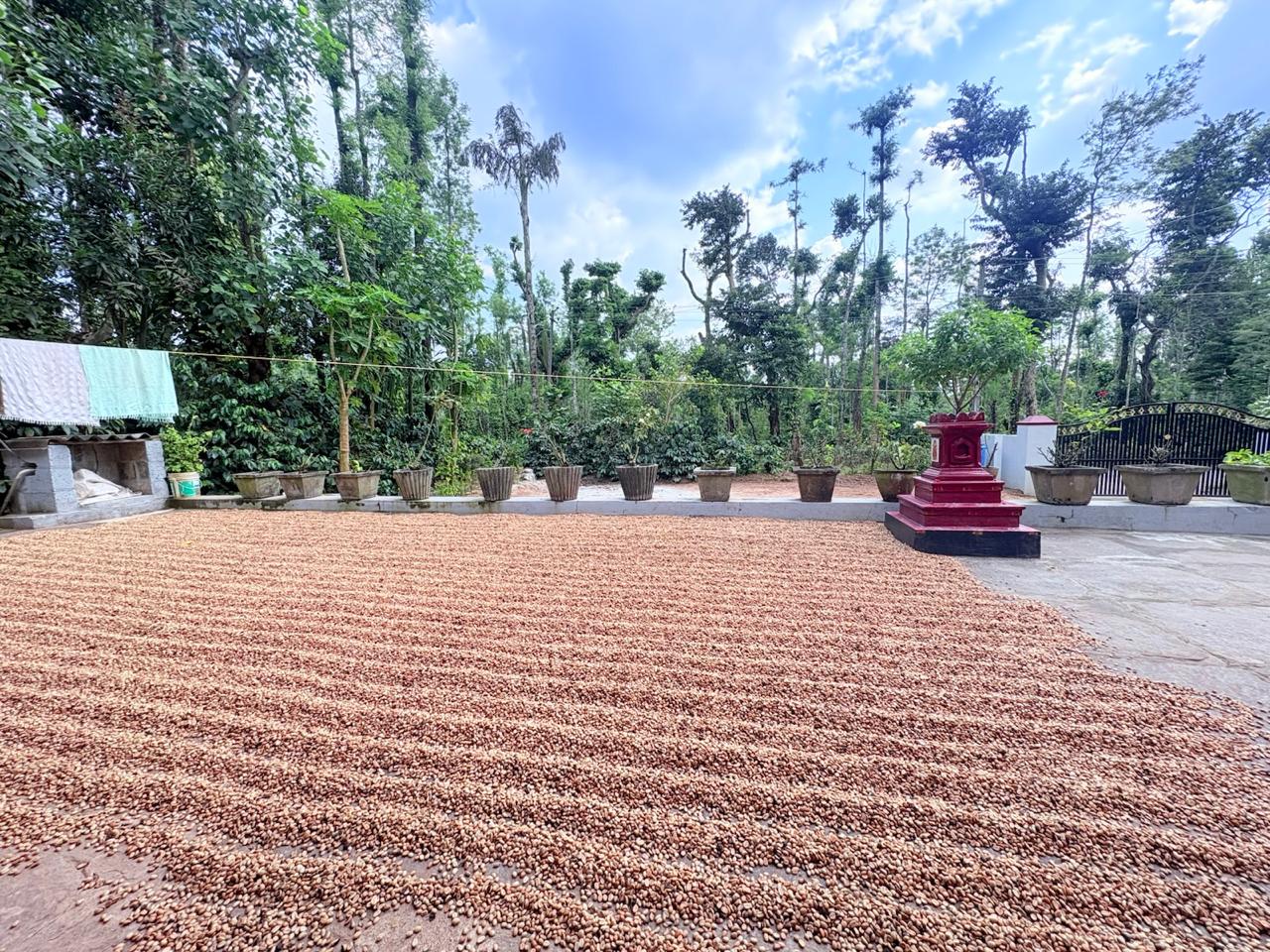
Buying green coffee is not a matter of asking for “the best price” and hoping the shipment matches the sample. Serious purchasing starts with a written specification, a representative sample, clear acceptance criteria, and a trade structure both sides understand. This guide explains what an importer, roaster, or distributor should define before requesting Indian green coffee beans in bulk.
Key takeaways
- Specify species, process, grade, crop, moisture, defect tolerance, packing, and destination.
- Treat the approved sample and written specification as two parts of the same agreement.
- Compare total landed risk—not only the price per kilogram.
- Confirm destination-country import rules before the exporter prepares documents.
First, use the right coffee terminology
A coffee cherry is the fruit harvested from the plant. The green coffee bean is the unroasted seed obtained after the fruit layers are removed and the coffee is dried, hulled, graded, and prepared for export. The distinction matters because “coffee cherry,” “cherry coffee,” and “green coffee” can describe different stages or processing categories.
When requesting a quotation, identify whether you need washed Arabica, natural Arabica, washed Robusta, natural Robusta, monsooned coffee, or another defined grade. India’s official grading system includes separate categories for Arabica and Robusta as well as washed, unwashed, and monsooned coffees. The Coffee Board of India exporter information is a useful reference point.
Build the specification before discussing price
A useful coffee inquiry gives the supplier something measurable. At minimum, define the following:
- Species and type: Arabica or Robusta, washed or natural.
- Grade and screen: the commercial grade, bean-size expectation, and tolerance method.
- Crop details: crop year, origin or region, and processing method.
- Physical limits: moisture range, defects, foreign matter, broken beans, and insect damage.
- Cup expectations: intended roast, target profile, and any unacceptable taints.
- Compliance: required residue, food-safety, organic, sustainability, or buyer-specific documentation.
- Commercial details: volume, packaging, destination port, shipment window, and Incoterm® rule.
Without these details, two suppliers may quote completely different products under the same broad name. The cheapest quotation may simply reflect a lower grade or a wider defect tolerance.
Arabica and Robusta serve different buying programs
Arabica is commonly selected when the buyer wants more aromatic complexity, acidity, or a specialty-oriented profile. Robusta is often chosen for body, crema, intensity, soluble-coffee programs, and price-sensitive blends. Neither species is automatically “better.” The correct decision depends on the finished product and target market.
India produces both species and also offers distinctive monsooned coffees. According to the Coffee Board’s regional guidance, dry-processed Arabica and Robusta can be used for monsooning, a process associated with a softer, fuller character. Buyers should evaluate such coffees as a separate style rather than as a substitute chosen only by price.
For a detailed commercial comparison, read our Indian Arabica vs Robusta guide.
Control the relationship between sample and shipment
Ask how the offer sample was taken. A hand-picked “show sample” can look excellent while failing to represent the full lot. For larger purchases, agree on a representative pre-shipment sample and record how it will be drawn, sealed, labelled, and approved.
Keep the approved sample until the shipment is received. Pair it with a written specification and, where commercially appropriate, a certificate of analysis or inspection report. Cup testing and physical grading answer different questions, so neither should replace the other.
Packing and logistics can protect—or ruin—the lot
Traditional jute bags remain common, but buyers may request food-grade liners, hermetic liners, or other moisture-control solutions depending on journey length, climate, product value, and warehouse conditions. Confirm net weight, gross weight, bag material, liner type, palletization, markings, and container-loading method.
Also define who arranges inland transport, export clearance, ocean freight, insurance, and destination handling. Use a named place or port with the selected Incoterm® rule. “CIF” without a named destination and contract detail is not a complete logistics plan.
Confirm the documentation route early
Commercial invoice, packing list, transport document, customs documentation, and certificates required by the destination must agree with one another. Coffee exports from India may involve Coffee Board registration, export permits, and certificates of origin depending on the transaction. The Coffee Board explains the exporter-side process.
The buyer remains responsible for confirming import permits, food rules, labelling, phytosanitary requirements, and customs treatment in the destination country. Do this before production or packing—not when the container reaches port.
A quotation request that gets a serious answer
Send these details in one message:
- Product and species
- Process and grade
- Required quantity
- Physical and cup specifications
- Packing and liner
- Required certificates or tests
- Destination port and country
- Preferred Incoterm® rule
- Target shipment window
- Whether you need a sample first
BPA WORLDWIDE LLP structures inquiries around product requirements, packing, documentation, and destination. Review our quality-control approach, then send the trade desk your requirement.
Buyer note
This article provides general commercial information, not legal, customs, food-safety, or regulatory advice. Requirements vary by product, destination, use, and shipment date. Confirm current rules with the competent authorities and qualified trade professionals before contracting or shipping.
Frequently asked questions
Questions buyers ask
What is the minimum information needed for a green coffee quote?
Provide the species, process, grade, quantity, packing, destination, shipment window, required tests, and preferred Incoterm® rule.
Should I buy Arabica or Robusta from India?
Choose according to the intended roast, blend, flavour target, body, crema, cost structure, and customer market. Request samples of the exact offered lots before deciding.
Is a sample enough to approve a shipment?
No. Use a representative approved sample together with a written specification, agreed tolerances, and any required analysis or inspection.
Can BPA quote freight as well as product?
Provide the destination port and preferred trade term in your inquiry so the available commercial and freight structure can be evaluated.
Send BPA a trade-ready inquiry.
Share the product, grade, volume, packing, destination, required documentation, shipment window, and preferred Incoterm® rule.